Within the framework of the Erasmus+ KA171 programme, I had the opportunity to undertake an academic mobility at University of Kalisz, Poland.
This experience represented an important milestone in my academic, professional, and personal development, allowing me to experience a different higher education system, acquire new knowledge, develop intercultural skills, and broaden my perspective on healthcare and medical education.
As a Medical student at Eduardo Mondlane University, this mobility provided an opportunity to complement my academic background through contact with different teaching methodologies, new approaches to healthcare, and an international learning environment.
Beyond the academic component, the Erasmus experience also represented an opportunity for personal growth through interaction with students from different countries, adaptation to a new culture, and participation in activities beyond the classroom.
I arrived in Kalisz in February 2026, beginning a new stage of learning and adaptation.
From the beginning of the mobility, I received support from University of Kalisz community, which helped facilitate my integration into the academic and social environment. Orientation activities were organised, including an introduction to the university facilities, academic procedures, and student life.
Living in the student residence and interacting with local and international students allowed me to gradually adapt to the new environment and develop meaningful connections with people from different cultural backgrounds.
Although adapting to a new country involved challenges related to language, culture, and academic organisation, these experiences contributed to developing my independence, responsibility, and problem-solving skills.
During my Erasmus+ mobility, I attended different courses offered by University of Kalisz as part of my mobility programme. These courses contributed to my academic development by providing complementary knowledge in areas related to healthcare, communication, technology, research, and population protection.
- Professional Foreign Language (English)
This course helped improve my English communication skills, particularly in academic and healthcare contexts.
Interaction with students from different nationalities contributed to increasing my confidence in using English in formal situations, presentations, and professional communication.
- Interpersonal Communication in Healthcare
This course focused on the importance of communication in healthcare, particularly the relationship between healthcare professionals and patients, empathy, active listening, and teamwork.
The knowledge gained reinforced the importance of effective communication as an essential component of human-centred medical practice.
This course provided an understanding of the role of information technologies in modern healthcare systems, including digital tools, clinical information management, and technological innovation applied to healthcare services.
It highlighted the growing importance of technology in improving the quality, efficiency, and safety of healthcare delivery.
Through this course, I developed knowledge about research methods, information collection and analysis, interpretation of results, and presentation of findings.
The activities and group work helped improve my communication skills, critical thinking, organisation, and ability to collaborate with students from different cultural backgrounds.
This course addressed topics related to population protection, public health, risk prevention, and strategies aimed at promoting community safety and well-being.
The knowledge acquired was relevant to my medical training, reinforcing the importance of prevention, health education, and addressing health problems from a population perspective.
This course allowed me to deepen my knowledge of laboratory diagnostic methods, complementary diagnostic tests, and the interpretation of laboratory results to support clinical decision-making.
It strengthened the connection between laboratory investigations and medical practice, highlighting the importance of accurate diagnosis in patient management.
Besides the academic activities, I had the opportunity to participate in additional activities that contributed to my professional and personal development.
I participated in a workshop focused on interculturality, where topics related to communication between cultures, diversity, and adaptation in international environments were discussed.
This activity was particularly relevant in the Erasmus+ context, as it helped develop intercultural communication skills, respect for diversity, and collaboration with people from different backgrounds.
- Bleeding Control Training
I also participated in a training session focused on bleeding control, an essential area in the initial management of emergency situations.
The training provided practical knowledge regarding bleeding management, rapid intervention, and essential measures to reduce risks in potentially life-threatening situations.
This experience was highly valuable for my medical education, considering the importance of emergency response skills in healthcare practice.
During my mobility, I had the opportunity to visit healthcare institutions in Poland, including hospitals in Kalisz and Łódź.
These visits allowed me to better understand the organisation of Polish healthcare services, hospital structures, different departments, and the delivery of care to patients.
The contact with these institutions provided a practical perspective on the Polish healthcare system and allowed me to compare different approaches to healthcare organisation with the reality of my home country.
These experiences broadened my understanding of different healthcare models and reinforced the importance of knowledge exchange between healthcare systems.
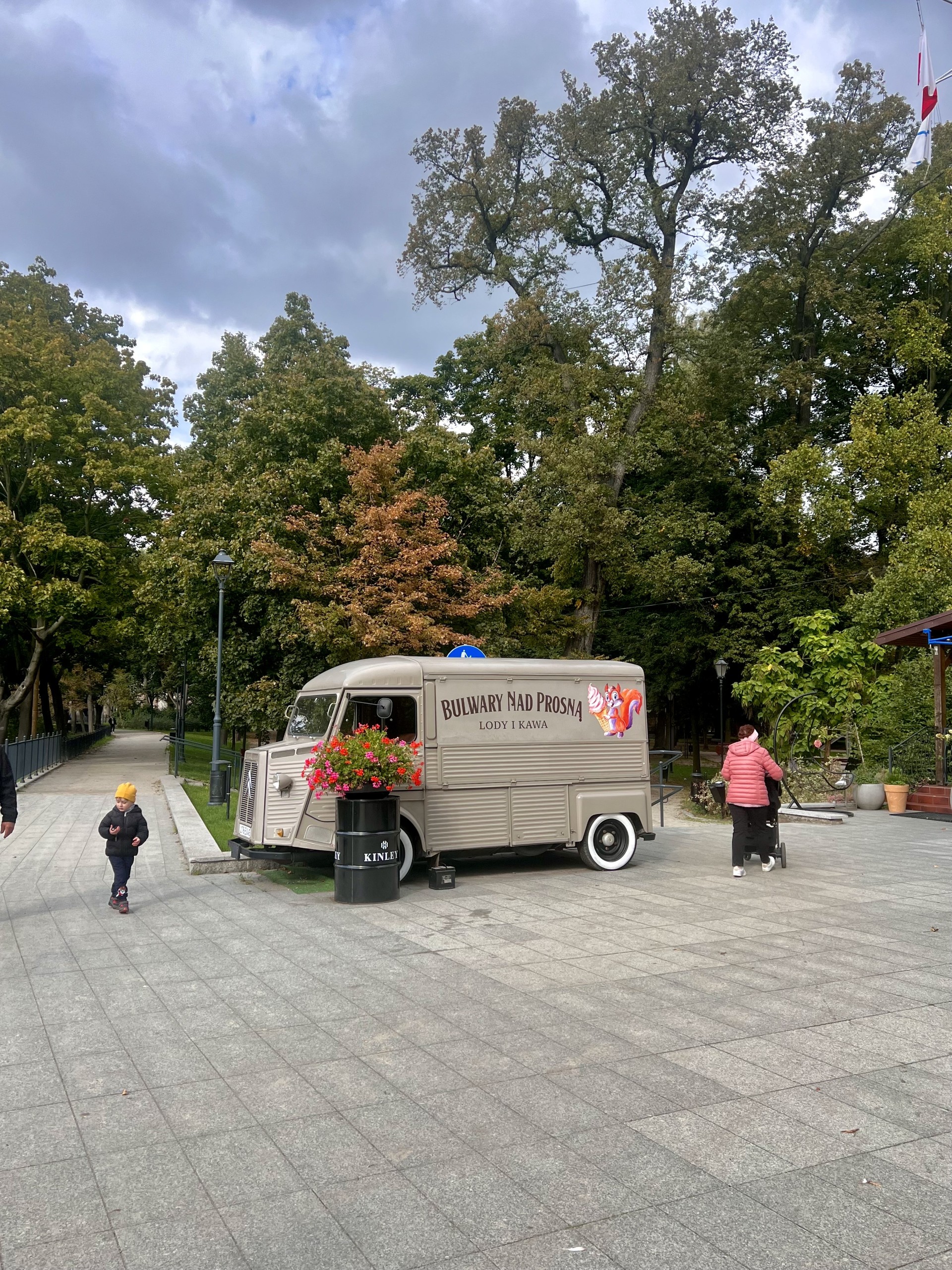
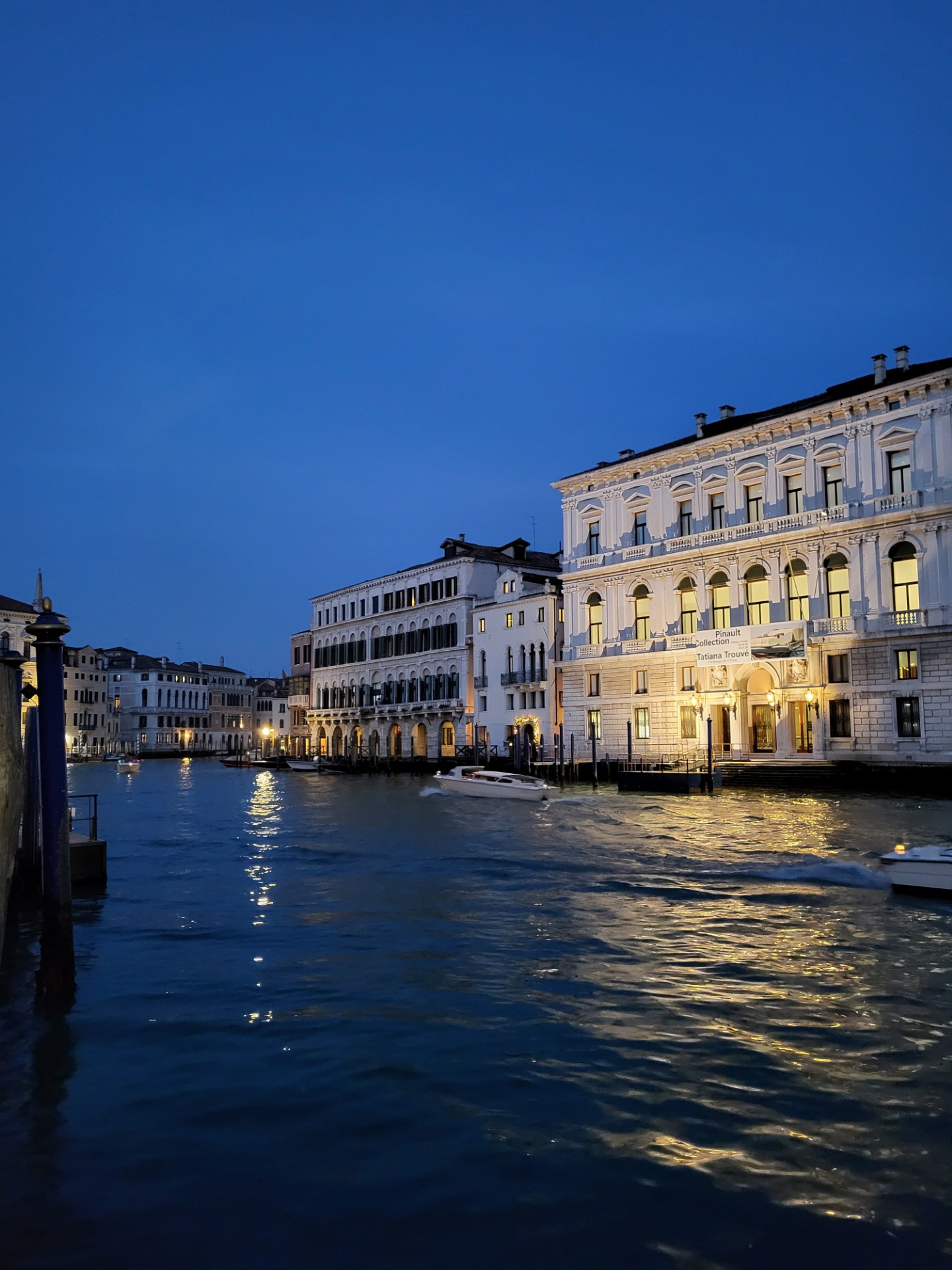
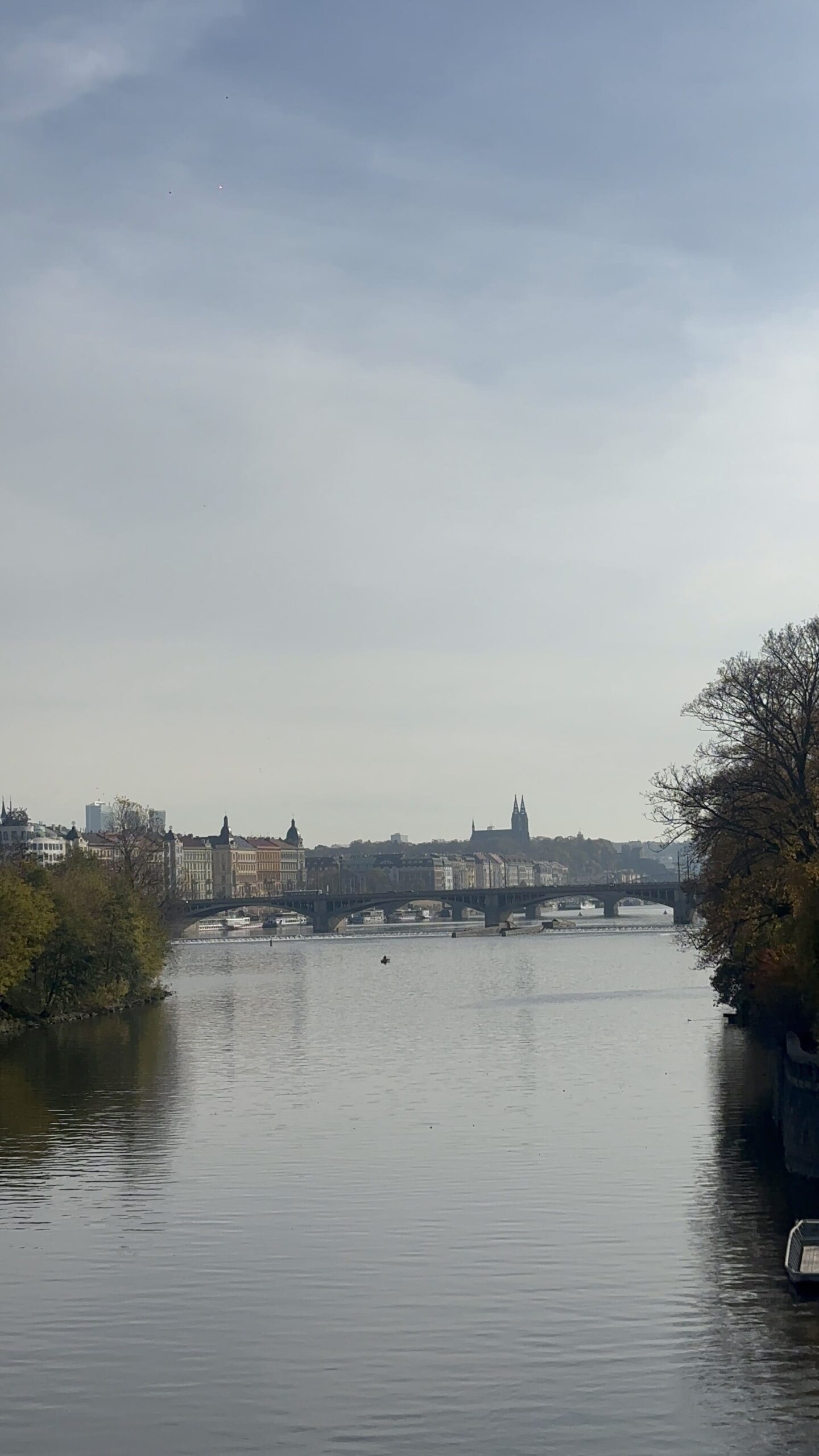
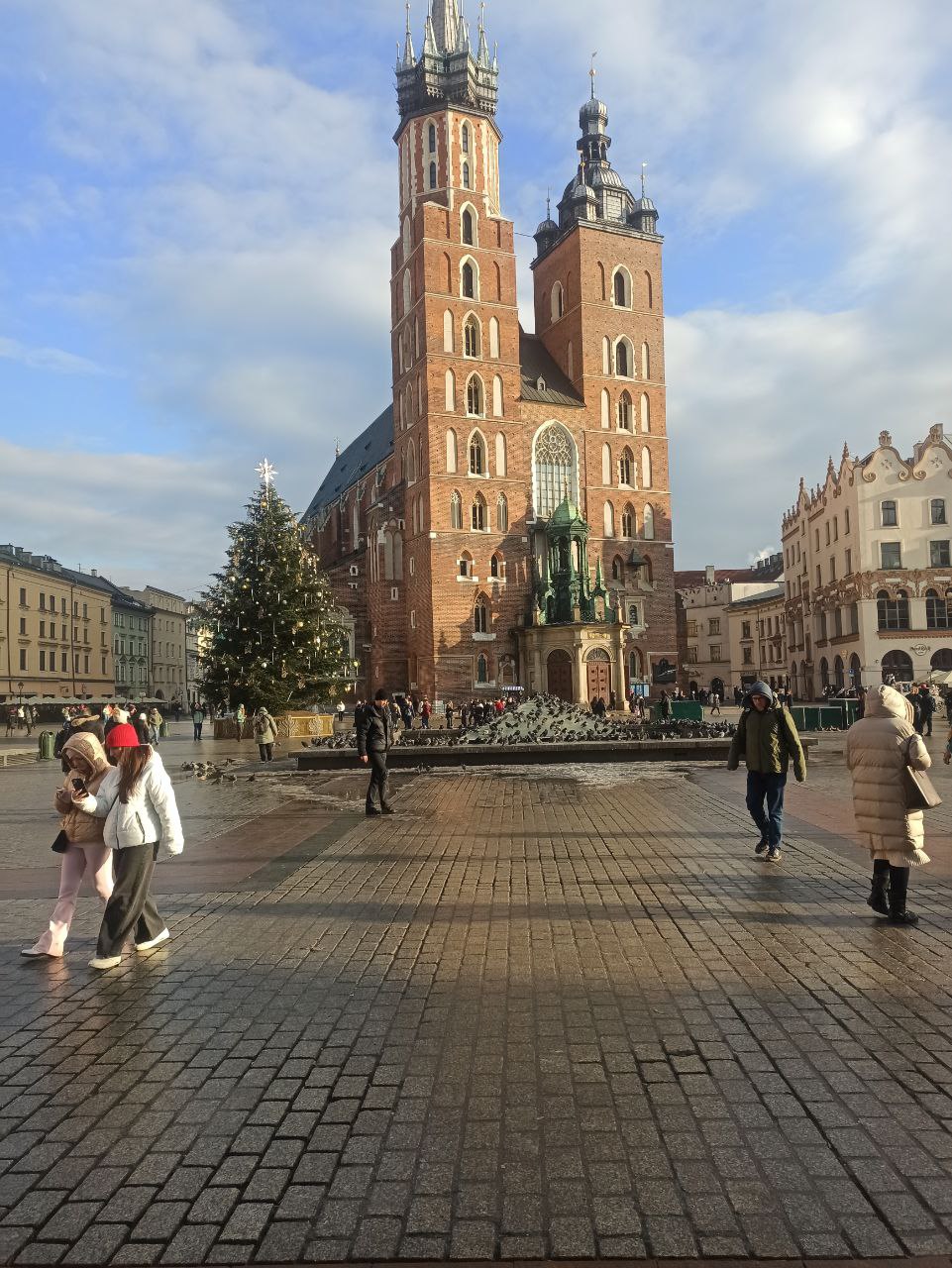
During my stay in Poland, I had the opportunity to visit different cities, exploring the history, culture, and diversity of the country.
The cities visited included:
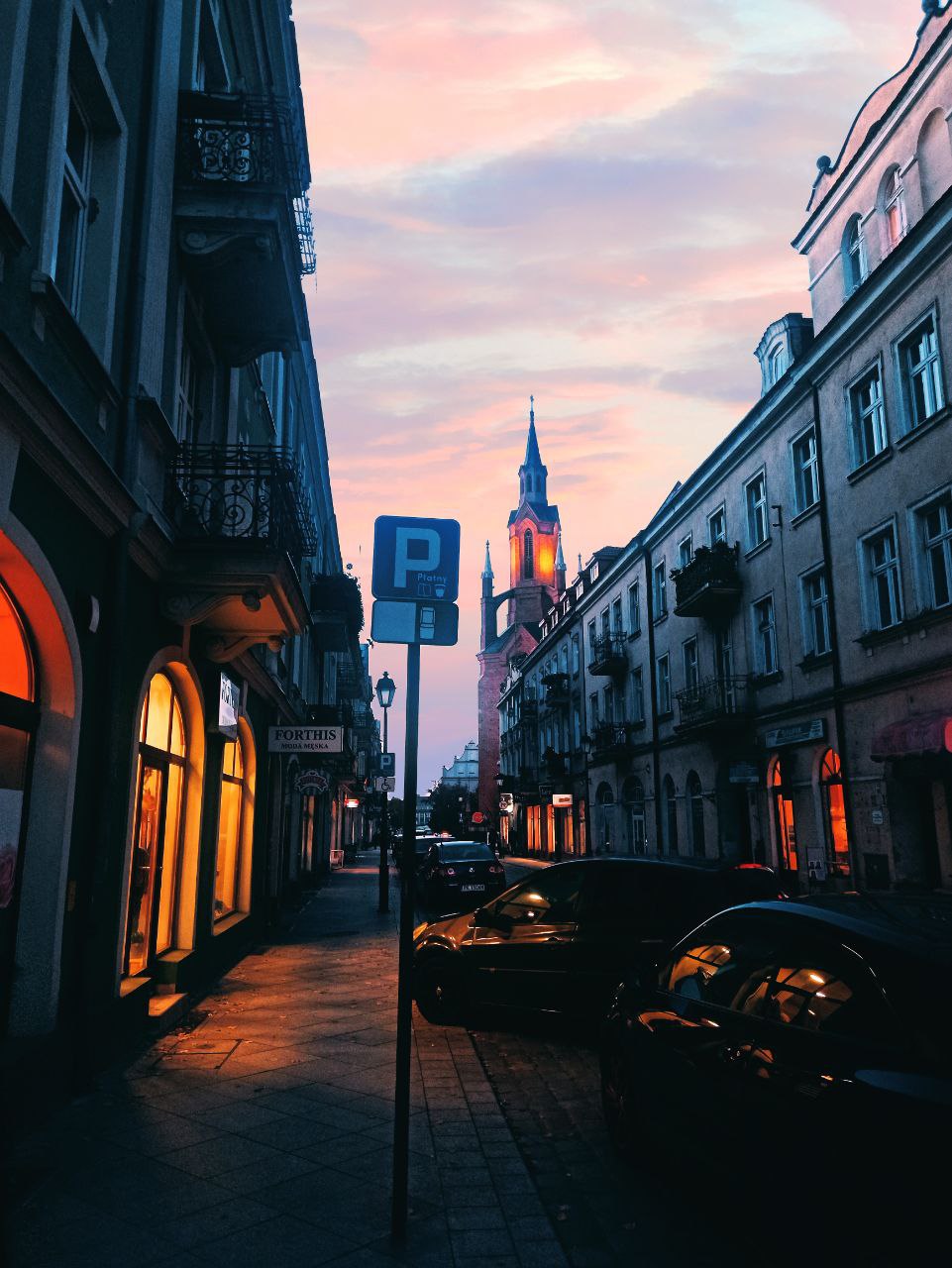
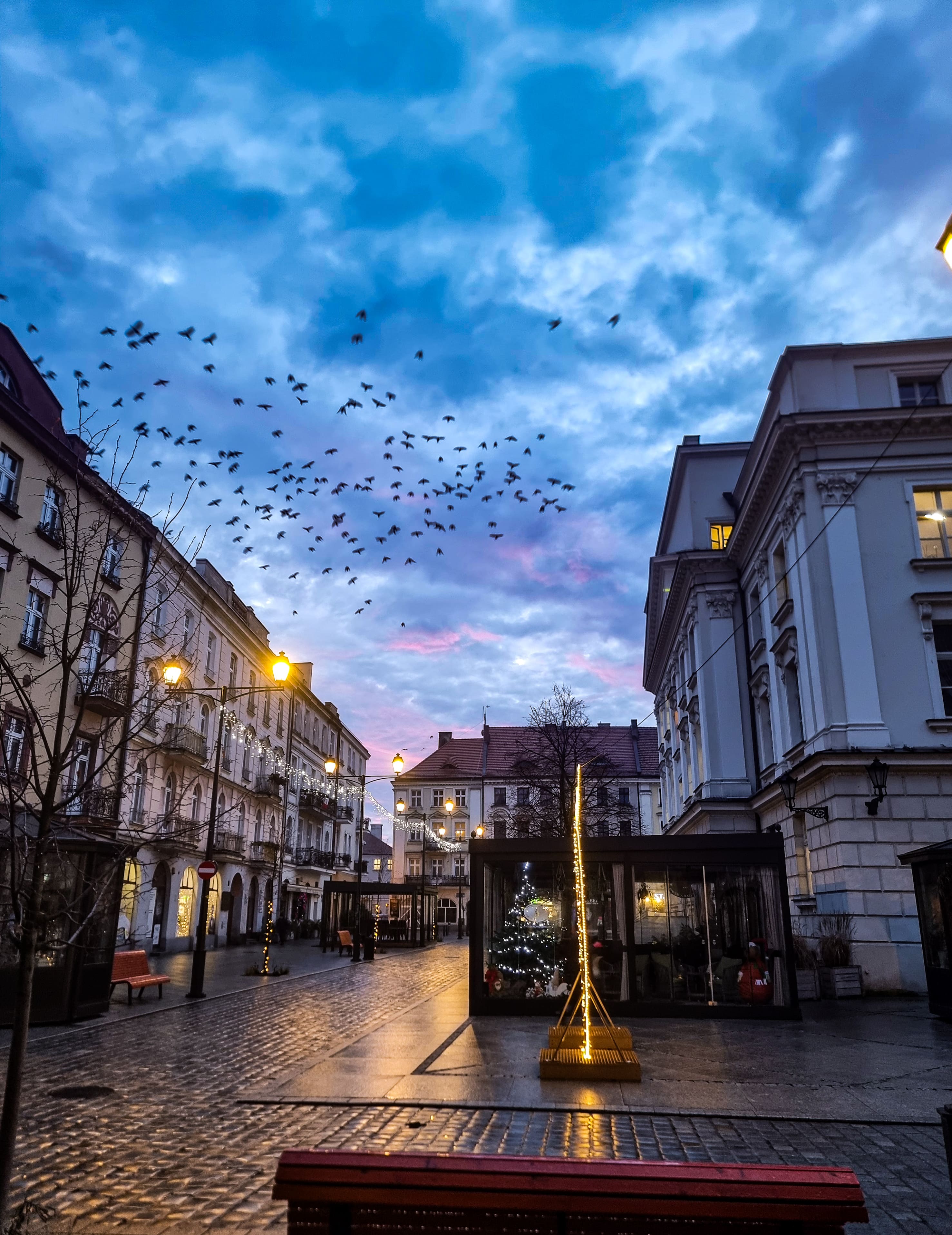
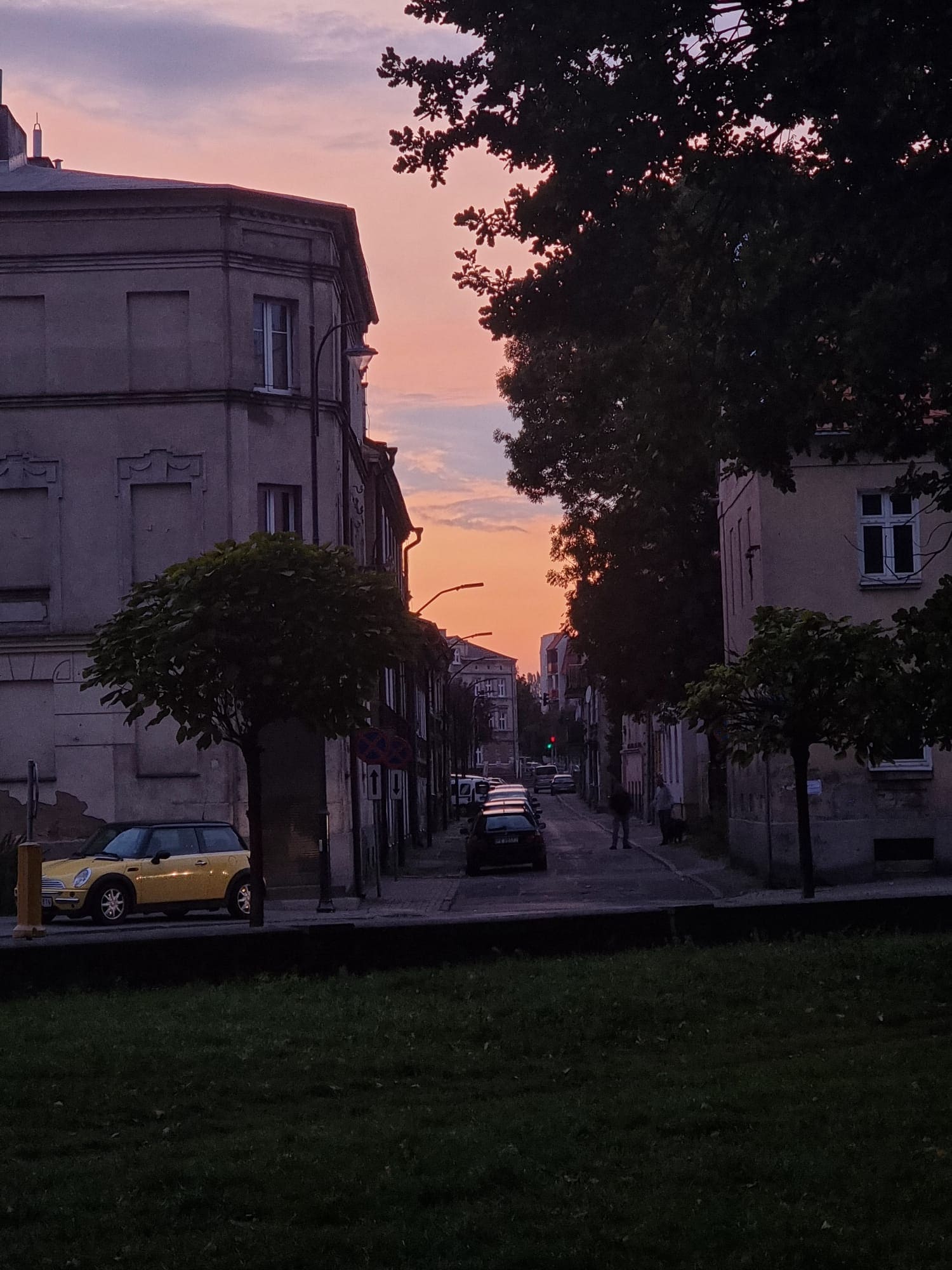
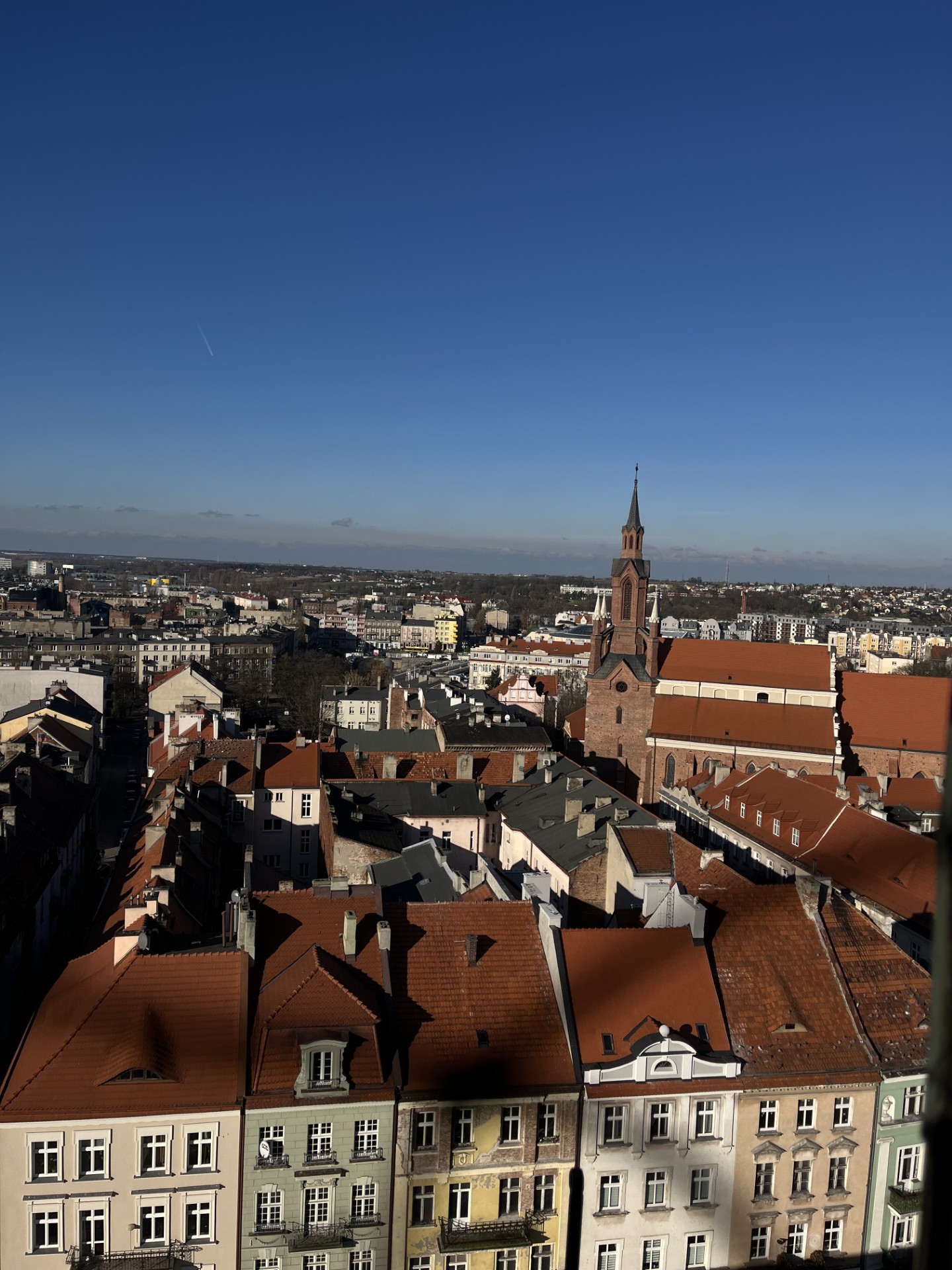
The city where my mobility took place, where I experienced local life, explored historical sites, and integrated into the academic community.
The capital of Poland, where I had the opportunity to explore important historical and cultural sites and understand the country’s history and development.
A city with great historical and cultural importance, where I experienced its architecture, historical centre, and regional identity.
A city known for its rich architecture, cultural diversity, and historical spaces, providing a very enriching cultural experience.
A city recognised for its industrial heritage and transformation of historical industrial spaces into modern cultural and social areas.
One of Poland’s most historically significant cities, with a well-preserved cultural heritage and important historical landmarks.
These visits contributed to a deeper understanding of Polish culture, increased my independence, and enriched my overall Erasmus+ experience.
The Erasmus+ experience represented much more than an academic opportunity. It was a period of significant personal growth and development.
Living and interacting with students from different countries helped me develop communication skills, teamwork, adaptability, and respect for cultural diversity.
Experiencing daily life in a different country, adapting to new environments, and overcoming challenges strengthened my confidence, independence, and ability to work in multicultural settings.
The mobility at University of Kalisz had a significant impact on my development as a Medical student.
Exposure to different teaching methods, healthcare perspectives, hospital environments, and complementary subjects expanded my understanding of medicine and healthcare delivery.
The experience reinforced the importance of communication, prevention, public health, technology, and multidisciplinary teamwork in modern medical practice.
It also contributed to developing a broader, more international, and human-centred perspective of the medical profession.
The Erasmus+ KA171 mobility at University of Kalisz was an extremely enriching experience academically, professionally, and personally.
The opportunity to study in an international environment, participate in training activities, visit healthcare institutions, explore Polish culture, and interact with students from different nationalities represented a valuable stage in my development.
I would like to express my gratitude to Eduardo Mondlane University, University of Kalisz, and the Erasmus+ programme for providing this opportunity.
This experience will remain an important milestone in my medical education and will motivate me to continue developing as a future healthcare professional with a global, collaborative, and human-centred approach.